
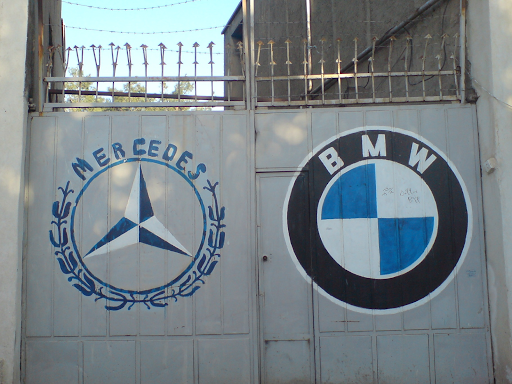
The Motability scheme, a lifeline for disabled drivers across the United Kingdom, has announced a sweeping change to its vehicle lineup that will see premium brands such as BMW and Mercedes-Benz removed immediately. This decision marks a significant cultural and operational shift for the organization, which provides leased vehicles to those receiving government mobility allowances. For years, the scheme allowed participants to access high-end vehicles if they covered the additional cost themselves, meaning the taxpayer did not subsidize the luxury element. However, Motability Operations has decided to end this practice, shifting its focus entirely to vehicles that meet the specific needs of disabled people while representing “value and purpose.” This move effectively ends the era of the “Motability BMW” and ushers in a new focus on practical, cost-effective transportation.
This restructuring is occurring against a backdrop of intense political focus on the UK economy. Chancellor Rachel Reeves has thrown her weight behind the changes, highlighting the potential for the scheme to support domestic employment. The removal of foreign luxury brands is paired with a new, aggressive target: sourcing 50% of the fleet from British factories by 2035. Currently, premium brands make up only about 5% of the 800,000 cars on the scheme—roughly 40,000 vehicles. While this is a small fraction of the total, the redirection of purchasing power away from imports and toward domestic products is expected to have a disproportionately positive impact on UK manufacturing. The government views this as a way to ensure that the public funds and tax breaks associated with the scheme help circulate money within the British economy rather than flowing overseas.
The potential economic benefits for the UK car industry are substantial. The sector has struggled in recent years, with production numbers threatening to dip below 700,000 units following a series of factory closures and supply chain disruptions. By committing to lease 150,000 British-built cars annually by 2035—up from a mere 22,000 last year—Motability is offering a guaranteed volume of sales that few other customers can match. This creates a safety net for factories in Sunderland, Burnaston, and potentially Oxford, allowing them to plan production schedules and labor requirements with greater confidence. It is a strategy of “demand-pull” economics, where the state-backed scheme creates the market conditions necessary for industry growth.
The implications for specific manufacturers are already becoming clear. Nissan, which operates the UK’s largest car plant in Sunderland, is set to be a primary beneficiary. The company anticipates a doubling of its sales to the scheme, a boost that reinforces the viability of its UK operations. Similarly, the decision puts pressure on BMW to reconsider its strategy for the Mini brand. With BMW-badged cars excluded, the company has a strong incentive to bring more production of the Mini—specifically the electric versions currently “paused” or built elsewhere—back to the Oxford factory to ensure they remain eligible for the scheme. Motability Operations has explicitly stated that this decision “opens the door to new investment,” serving as a clear signal to global automotive boards that building in Britain is the key to accessing this lucrative market.
Despite the removal of premium options, the core mission of Motability remains unchanged: to facilitate independence for disabled people. The scheme continues to offer a wide range of vehicles, many of which are adapted for wheelchairs and other specific needs. However, the conversation has now expanded to include the economic independence of British workers. Andrew Miller, the CEO of Motability Operations, emphasized that the organization wants to do more to support the economy. By aligning the mobility needs of disabled drivers with the employment needs of automotive workers, the scheme is attempting to create a virtuous cycle that benefits the entire nation, even if it means fewer luxury badges on the driveways of its users.