
Major American oil companies have offered little confirmation of President Trump’s claims that they’re ready to invest billions in rebuilding Venezuela’s oil sector. The president’s confident pronouncements at Mar-a-Lago about imminent corporate involvement stand in stark contrast to the cautious, noncommittal statements emerging from energy industry headquarters.
Trump painted a picture of American oil giants rushing into Venezuela to repair “badly broken infrastructure” and dramatically increase production from reserves he described as among the world’s largest. He suggested these companies would be reimbursed for their efforts and would help Venezuela sell substantial oil quantities internationally, though he provided few specifics about how these arrangements would function.
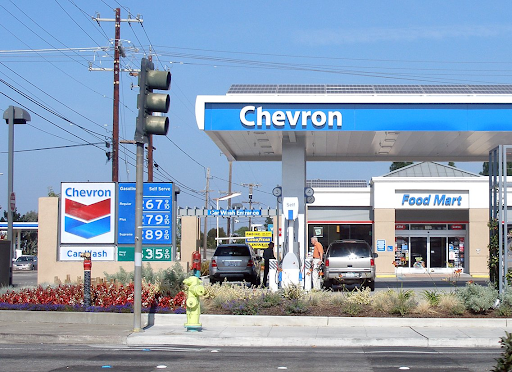
The corporate sector’s response has been notably reserved. Chevron emphasized its commitment to safety and regulatory compliance without mentioning expansion plans. ExxonMobil, America’s largest oil company, simply refused to comment on Venezuelan prospects. ConocoPhillips explicitly stated that speculation about future Venezuelan business would be premature, indicating these firms aren’t rushing to confirm Trump’s narrative.
Venezuela’s complicated relationship with international oil companies adds significant context to this hesitation. The country nationalized its oil industry generations ago and later seized remaining private operations in 2007, prompting departures and legal battles. ExxonMobil and ConocoPhillips eventually won billions in arbitration awards, but Venezuela’s economically troubled government has failed to pay most of these damages.
Industry experts note that rebuilding Venezuelan oil production to meaningful levels would require massive capital investment—potentially $110 billion to reach 2 million barrels daily by the early 2030s. With global oil markets entering an oversupply period and prices declining, companies face incentives to invest selectively in familiar, stable regions rather than rushing into Venezuela, where nationalization memories and stability concerns linger despite recent political changes.