
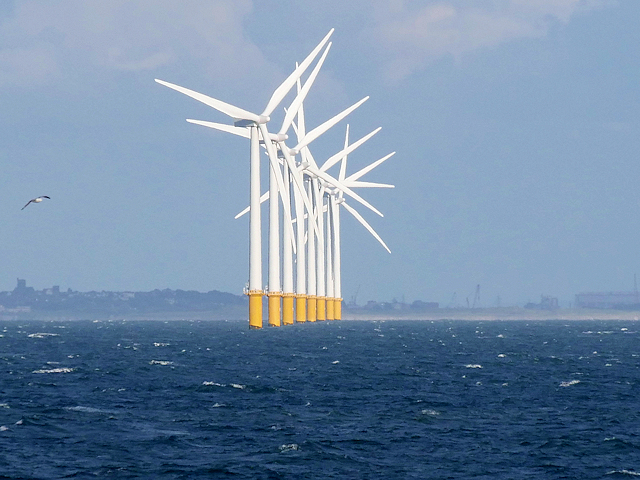
Denmark’s renewable energy champion, Ørsted, has seen its market value evaporate, with shares crashing to unprecedented lows on its worst trading day in history. The collapse followed the company’s shocking announcement of a $9 billion emergency fundraising effort, made necessary by a hostile policy environment created by the Trump administration in the United States.
The company’s troubles are directly linked to a freeze in the US offshore wind market, a sector previously viewed as a major source of future growth. The administration’s review of permitting and leasing processes has made it impossible for Ørsted to execute its standard business model: financing operations by selling stakes in its development projects to investors.
Ørsted’s chief executive, Rasmus Errboe, described the crisis as “extraordinary,” attributing it to the potent combination of US political opposition and lingering supply chain bottlenecks. The decision to raise billions in emergency capital reflects the severity of the situation and the company’s struggle to adapt to the new reality.
Despite the market’s panicked reaction, the fundraising has the backing of the Danish government, Ørsted’s majority stakeholder. Nevertheless, this episode highlights the vulnerability of the renewable energy sector to political shifts and jeopardizes America’s role in the global transition to clean energy.