
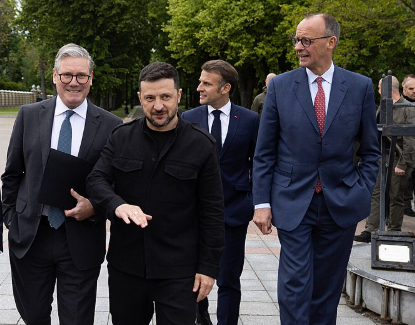
Ukrainian President Volodymyr Zelenskyy will present an updated peace framework to international partners Thursday, attempting to counter American proposals that many observers view as excessively favorable to Russia. The Ukrainian leader handed a revised plan to US negotiators Wednesday before the scheduled coalition video conference, emphasizing fundamental questions about compelling Moscow to end hostilities and deterring future aggression. Zelenskyy’s diplomatic push comes as President Trump openly criticized European allies and questioned Ukraine’s democratic legitimacy, creating additional pressure from Ukraine’s most important military supporter.
The Thursday coalition meeting will test whether approximately 30 nations can maintain unified support for Ukraine despite American ambivalence. Trump revealed Wednesday night that there were “strong words” during earlier discussions with British, French, and German leaders about Ukraine strategy, suggesting significant disagreements about the appropriate approach. The American president warned that Europeans risked “wasting time” with additional meetings and set preconditions for US participation in a proposed weekend summit, introducing uncertainty into diplomatic planning at a critical juncture.
European leaders have been working to develop security guarantees for Ukraine in case a peace agreement materializes, recognizing that Trump’s proposals may lack adequate protections against future Russian aggression. However, the substance and credibility of potential European security commitments remain unclear, particularly given the continent’s historical reluctance to provide military guarantees without American backing. The challenge for European partners involves balancing support for Ukraine with maintaining transatlantic relationships during a period of American leadership questioning the value of these alliances.
Trump’s shifting positions on Ukraine have created confusion about US policy direction. The president has claimed Russia is comfortable with his peace plan while questioning whether Zelenskyy accepts its terms, creating diplomatic dynamics that favor Moscow. Russian officials have enthusiastically endorsed Trump’s approach, with Foreign Minister Sergei Lavrov praising the American president as uniquely understanding of the conflict’s causes. President Putin personally hosted White House envoys for five hours of Kremlin discussions, signaling serious Russian interest in proposals that reportedly include Ukraine surrendering control of the entire Donbas region.
The diplomatic maneuvering occurs while Russian forces continue advancing on the battlefield, progressively weakening Ukraine’s negotiating position. Moscow’s military pressed attacks Wednesday on Pokrovsk and Myrnohrad, with Russian commanders reporting control of 30% of the latter town and orders from Putin to complete its capture. Ukrainian sources describe catastrophic combat conditions, particularly brutal street fighting in urban areas where Russian forces employ combined arms tactics. These military setbacks add urgency to Zelenskyy’s need for stronger international backing but simultaneously make unfavorable peace terms increasingly difficult to resist.