
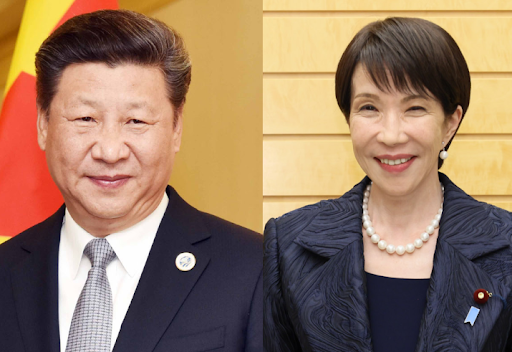
The current diplomatic crisis between Japan and China bears striking similarities to the 2012 dispute over uninhabited islands, suggesting Beijing is employing a familiar playbook of economic pressure and coordinated unofficial actions. During that earlier conflict, Chinese tourist numbers to Japan fell by approximately one-fourth, Japanese businesses in China faced violent protests, and group tours were systematically cancelled, creating significant economic damage that took years to fully reverse.
The present situation may prove even more severe due to the fundamental nature of the disagreement. While the 2012 dispute concerned sovereignty over relatively minor territorial features, the current crisis involves Taiwan, which Beijing considers a core national interest and non-negotiable component of Chinese sovereignty. Prime Minister Sanae Takaichi’s willingness to discuss potential Japanese military intervention represents, from China’s perspective, a far more serious challenge to its strategic interests.
The economic stakes have also increased substantially since 2012. China was on track this year to reclaim its pre-pandemic position as the largest source of tourists to Japan, surpassing South Korea. With over 8 million Chinese visitors in the first ten months representing 23% of all international arrivals, the potential economic impact of a sustained tourism boycott could reach $11.5 billion according to economist Takahide Kiuchi, potentially knocking 0.3 percentage points off Japan’s annual economic growth.
Small businesses throughout Japan are already experiencing the consequences. Traditional cultural experiences that depend on Chinese tourists, from tea ceremony classes to historic district tours, are seeing mass cancellations extending months into the future. Rie Takeda, who operates a tearoom in Tokyo’s Asakusa district, has lost 200 bookings and hopes for a return of Chinese visitors by Chinese New Year in February, though historical precedents suggest recovery may take considerably longer.
The diplomatic impasse reflects deeper ambiguities in the bilateral relationship. The 1972 joint statement that normalized relations saw Japan state it “fully understands and respects” China’s position on Taiwan without explicitly endorsing it—a formulation that provided useful ambiguity for decades but has become a source of fundamental disagreement. China now demands explicit Japanese commitment to the “One China” principle, while Japan maintains its original formulation represents its consistent position, creating a diplomatic deadlock with neither side willing to back down before domestic audiences.