
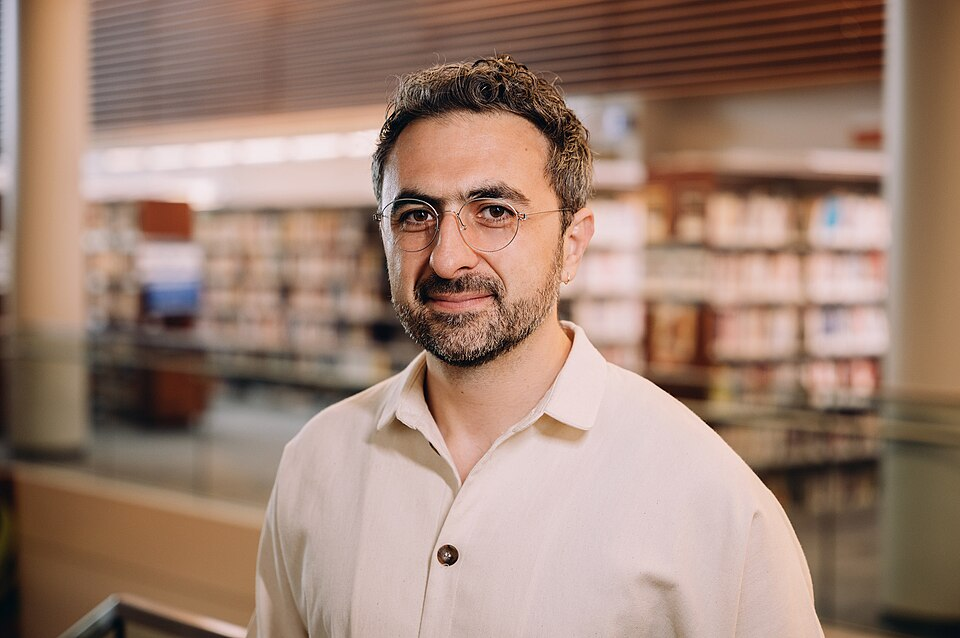
Microsoft’s new artificial intelligence system is set to be a catalyst for medical advancement, significantly outperforming human doctors in diagnosing complex health conditions. This groundbreaking AI, which achieved over 80% accuracy on challenging case studies, creates a “path to medical superintelligence” and promises faster innovation in healthcare.
Developed by Microsoft’s AI unit under Mustafa Suleyman, the system imitates a panel of expert physicians tackling “diagnostically complex and intellectually demanding” cases. Its superior performance, especially when paired with OpenAI’s O3 AI model, stands in stark contrast to the 20% accuracy rate of human doctors on the same cases.
Beyond its diagnostic prowess, Microsoft also highlights the AI’s efficiency in ordering tests, which could lead to substantial cost reductions in healthcare. Despite the radical implications of “superintelligence,” Microsoft maintains that AI will serve as a powerful complement to doctors, empowering them while preserving the crucial human elements of patient care.
The research’s innovative approach involved transforming over 300 complex case studies from the New England Journal of Medicine into “interactive case challenges.” The AI’s “diagnostic orchestrator” then systematically works through these cases, asking specific questions and recommending diagnostic tests, mirroring a real-world clinician’s investigative process.