
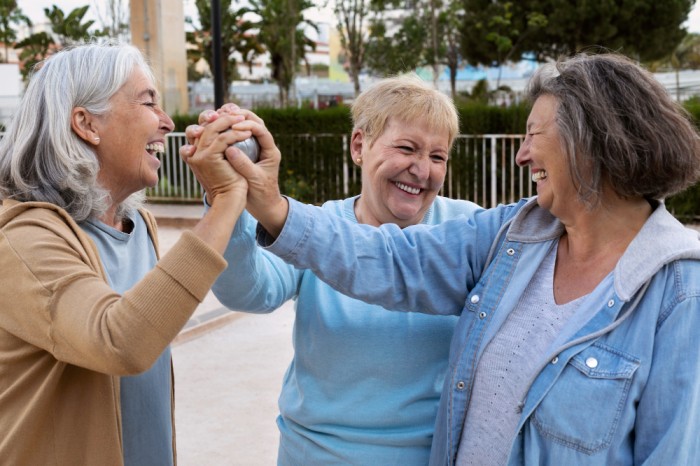
As individuals transition into retirement, the newfound freedom from work responsibilities can be refreshing, yet health experts caution against letting mental engagement wane. Remaining active in various facets—physically, socially, and intellectually—can significantly bolster brain health and overall well-being as one ages.
Though natural ageing processes can slow certain cognitive functions, experts emphasize that severe cognitive decline is not a foregone conclusion. Engaging the brain through consistent mental challenges, social interactions, and physical activities is crucial. Such engagement can enhance memory, sharpen attention, and improve problem-solving skills.
Physical activity is particularly beneficial, as it boosts blood circulation to the brain, thereby supporting its healthy functioning. Incorporating exercises like walking, yoga, cycling, or gardening into daily routines can greatly contribute to maintaining cognitive vitality. Conversely, retirement, if accompanied by isolation, a lack of routine, and diminished mental stimulation, can pose risks to cognitive health. The absence of daily tasks and social engagement may lead to reduced brain activity, potentially affecting cognitive performance over time.
To mitigate these risks, retirees are encouraged to pursue new hobbies, volunteer, travel, mentor younger individuals, or engage in community activities. These endeavors provide valuable mental stimulation while enhancing emotional well-being and offering a sense of purpose. Maintaining robust social connections is equally crucial. Interactions with family, friends, or community groups bolster communication, memory, and decision-making skills and can help alleviate loneliness and depression.
Health specialists underscore that healthy ageing involves more than just warding off illnesses. It is about preserving independence, mental acuity, and life quality. By staying active, remaining curious, and fostering social bonds, retirees can play a vital role in supporting their long-term brain health.