
British exporters are preparing for a wave of new administrative requirements after the United Kingdom failed to secure an anticipated exemption from the European Union’s carbon border adjustment mechanism by Christmas. The unsuccessful negotiation means businesses will face detailed documentation obligations starting in January, with industry sources suggesting relief won’t arrive until at least Easter 2025.
The carbon border adjustment mechanism requires exporters to maintain comprehensive records of carbon emissions generated during their production processes. This applies to approximately £7 billion in UK exports, covering numerous products manufactured with steel and aluminium, including household appliances and automotive components, as well as fertilizer, cement, and energy. The paperwork requirements have drawn comparisons to the administrative surge businesses experienced following Brexit, when new customs and standards documentation became mandatory.
Political circumstances made a pre-Christmas agreement unrealistic from the outset, according to industry insiders. The European Union only finalized its negotiation mandate in early December, making any rapid resolution impossible without extraordinary political coordination across all 27 member states—many with limited engagement in UK-specific matters. Government sources are now counseling businesses to prepare for the mechanism’s implementation from January, with assistance available through the Department for Business and Trade.
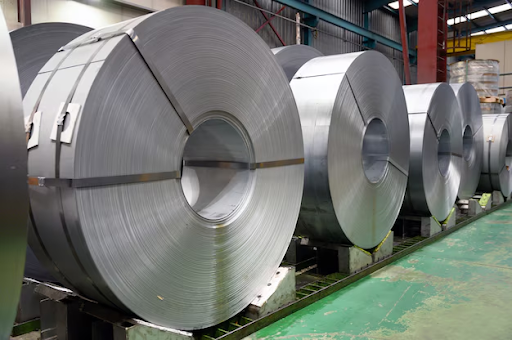
The steel industry faces particular challenges from these new requirements, both administratively and competitively. UK Steel’s Frank Aaskov describes the paperwork as “quite a burden” especially for smaller enterprises, while noting the financial implications are equally serious. Although taxes like the €13 per tonne levy on hot rolled wire (costing approximately €650 per tonne) might appear modest, the steel sector’s tight margins mean that cost differences as small as €5 per tonne frequently determine whether companies secure contracts against aggressive Chinese competition.
These challenges arrive alongside existing difficulties for British steel producers, who already contend with 50% EU import tariffs introduced earlier this year. The path forward involves a two-stage negotiation process: first establishing terms of reference, then addressing emissions trading system compatibility. While actual tax payments won’t be required until 2027—and could potentially be cancelled through successful negotiations—the administrative burden begins immediately in January. EU Climate Commissioner Wopke Hoekstra has indicated productive discussions with UK counterparts and suggested immediate costs should be limited given Britain’s decarbonization efforts, but emphasized the importance of proceeding methodically through established procedures. British officials maintain that securing a carbon linking agreement to protect the £7 billion export market remains their top priority.