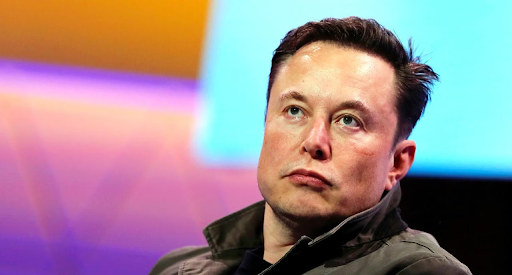
Tesla’s proposal to award Elon Musk a pay package potentially worth over $1 trillion has sent shockwaves through the corporate world, with critics warning it could set a dangerous new precedent for executive pay. The sheer size of the award, described by one analyst as something that “beggars belief,” raises profound questions about corporate governance.
The plan is contingent on Musk achieving a monumental feat: increasing Tesla’s stock market value to $8.5 trillion within a decade. This would trigger the issuance of new shares that would boost his ownership to over 25% and his personal fortune to an estimated $2 trillion. While designed to incentivize performance, the scale of the reward is unlike anything seen before.
Concerns are being raised that if shareholders approve this package, it could normalize hyper-inflated compensation schemes across corporate America. The worry is that other boards might feel pressured to “add a zero or two” to their CEO pay packages, leading to an even greater disparity between executive and worker compensation and potentially irresponsible corporate risk-taking.
Tesla defends the plan by highlighting its performance-based nature and the immense value that would be created for shareholders if the targets are met. They argue that Musk’s leadership is uniquely critical to achieving ambitious goals like launching autonomous vehicle fleets and humanoid robots. Shareholders now face a choice: approve a deal that could make them rich but also shatter all existing norms of corporate pay.