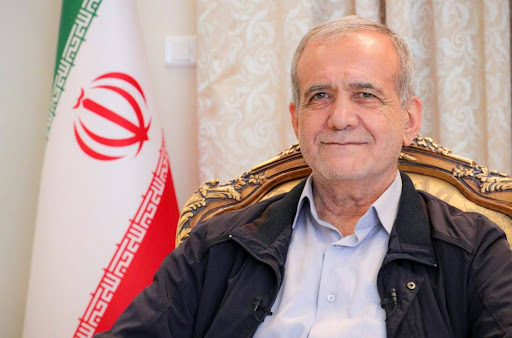
Iran’s current war posture combines strong retaliation against military operations in Gulf territory with open dialogue through Pakistan’s diplomatic channel. Iranian President Masoud Pezeshkian articulated this posture clearly in a post on X and in his conversation with Pakistan’s Prime Minister Shehbaz Sharif. While warning Gulf governments about the consequences of hosting enemy forces, he also praised Pakistan’s mediation and emphasized trust as the gateway to peace talks.
Gulf nations including Saudi Arabia, the UAE, Kuwait, Qatar, and Oman have been caught in the crossfire of the Iran-US war through US military bases on their soil. American strikes against Iran from these bases have drawn Tehran’s retaliatory attacks into Gulf territory. Gulf governments are now living with the consequences of a war posture that combines Iranian military retaliation with pointed diplomatic messaging.
Pezeshkian confirmed that Iran’s military actions are strictly retaliatory, triggered by attacks on Iranian economic or infrastructure assets. He maintained his firm warning to Gulf states about the ongoing risks of hosting enemy operations. But his engagement with Pakistan’s diplomatic channel shows that Iran’s war posture also includes a genuine openness to peace under the right conditions.
Pakistan’s Prime Minister Sharif confirmed that Pezeshkian views trust as the prerequisite for any formal peace negotiations. Pakistan has organized a multilateral meeting in Islamabad with the foreign ministers of Saudi Arabia, Egypt, and Turkey to discuss de-escalation strategies. Iran has praised Pakistan’s role as a constructive and credible mediator.
Pakistan’s Ishaq Dar will lead the discussions and facilitate meetings with Prime Minister Sharif. The combination of strong retaliation and open dialogue defines Iran’s current strategic posture in the conflict. Whether the open dialogue track can gain enough momentum to eventually replace the military track is the central question of the diplomatic effort now underway.