
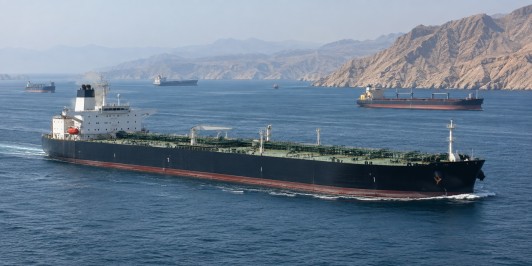
Iran has proposed a significant diplomatic overture to the United States, offering to reopen the strategic Strait of Hormuz within a week if Washington agrees to lift certain restrictions. This proposal, communicated through Qatar, includes conditions such as lifting the naval blockade of Iranian ports, easing sanctions on oil exports, and maintaining a ceasefire that encompasses Lebanon.
The Strait of Hormuz is a crucial artery for global energy shipments, and its closure has raised concerns in international oil and gas markets. Iran has leveraged its control over this vital waterway amid ongoing tensions with the United States. According to Iranian Foreign Minister Abbas Araghchi, the timeline for reopening the strait would commence once the U.S. consents to the terms, with preparatory measures taking place over four to five days, leading to the reopening on the sixth day and resumption of nuclear negotiations on the seventh.
This initiative follows previous failed diplomatic efforts to reach a long-term agreement and comes amid Iran’s broader engagement with Gulf nations. Iranian President Masoud Pezeshkian recently convened with Qatar’s prime minister, and Araghchi held discussions with Saudi officials during the U.N. General Assembly, signaling a push for regional dialogue.
While the offer has the potential to ease tensions, it faces internal opposition within Iran. Hard-line factions have been critical of negotiations with the U.S., advocating for continued resistance, whereas other officials support diplomatic solutions to the ongoing conflict.
The proposal also prompts questions regarding its scope, particularly whether it addresses the conflict involving Yemen’s Houthi forces and the security of the Bab el-Mandeb Strait, another key maritime route.