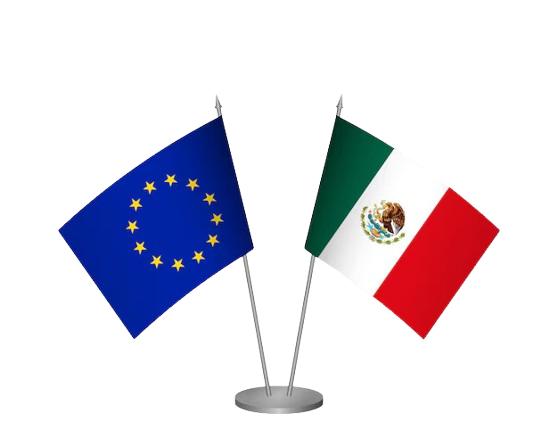
In a strategic move to diversify economic partnerships, Mexico and the European Union have reached an agreement to revise their existing trade deal, initially established in 2000. The updated accord is designed to reduce tariffs and foster economic collaboration, addressing a mutual interest in diminishing reliance on the United States amidst the backdrop of President Donald Trump’s tariff policies. By modernizing their trade relations, both parties aim to enhance market accessibility and reinforce supply chains between Mexico and Europe.
The enhanced agreement places significant emphasis on the automotive industry, particularly in the area of auto parts, which has been subject to recent tariff pressures from the U.S. Furthermore, the deal provides for reduced tariffs and extended duty-free access on a variety of European products including pasta, chocolate, potatoes, canned peaches, eggs, and certain poultry items, thereby facilitating greater trade in these sectors.
As part of the agreement, Mexico has consented to acknowledge the protected status of European regional food specialties such as Parma ham and Roquefort cheese. This recognition is expected to support the growth of European agricultural exports to Mexico, offering a new avenue for European producers to expand their market presence.
Mexican President Claudia Sheinbaum highlighted the importance of this agreement by expressing the need to explore new trade and investment opportunities beyond traditional partners. European officials echoed this sentiment, portraying the agreement as a means for both economies to enhance their competitive edge in the global marketplace.
The European Union holds the position of Mexico’s third-largest trading partner, following the United States and China. Officials from both sides anticipate that the updated trade agreement will not only strengthen economic bonds but also attract more investment between European and North American markets, fostering a more integrated and resilient economic relationship.