
Ukrainian drone specialists are currently deployed at American military installations in Jordan, protecting US troops from the same Iranian-made weapons that Kyiv has been fighting for years. The irony is sharp: the United States could have had this partnership in place months ago, but declined Ukraine’s offer when it was first presented last August. It took seven American deaths and millions of dollars in interception costs to change that calculation.
Ukraine’s battlefield record against Iranian Shahed drones is extensive. Russia acquired these weapons from Iran and deployed homemade versions, called Geran drones, at scale during its ongoing war against Ukraine. In response, Ukraine built an entire ecosystem of countermeasures, from low-cost interceptor drones to radar networks, that has proven effective in real combat conditions. That experience is directly applicable to the threat now facing US forces in West Asia.
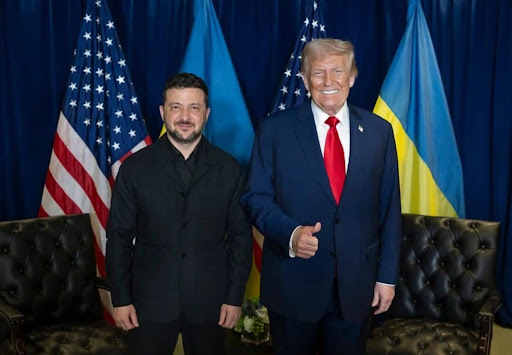
Zelensky brought this capability to Washington personally. At the August 18 White House meeting, he presented the proposal to Trump alongside detailed briefing materials that included a warning about Iran’s improving drone technology and a plan for building regional defense hubs. Trump indicated interest. His team did nothing.
The reasons for the inaction are both bureaucratic and political. Some officials reportedly viewed Zelensky as overreaching, attempting to use the meeting to boost Ukraine’s profile rather than offering genuine strategic value. In retrospect, that judgment has proven catastrophically wrong. The drones Kyiv warned about went on to kill Americans and drain US defense budgets.
When the request finally came, Ukraine mobilized overnight. Zelensky said the call came on Thursday; his specialists were already traveling by Friday. Teams are now deployed not only in Jordan but also supporting Gulf partners in Qatar, the UAE, and Saudi Arabia — building, belatedly, the exact regional defense network Ukraine proposed almost a year ago.