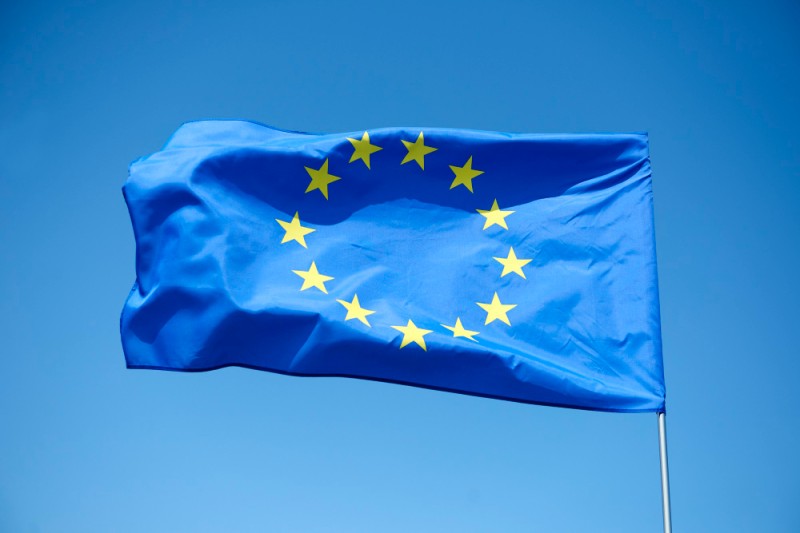
In a concerted effort to bolster ties with the Western Balkans, European leaders convened in Montenegro, aiming to affirm the long-term objective of integrating six countries from the region into the European Union. The summit drew prominent figures such as Emmanuel Macron, Friedrich Merz, Giorgia Meloni, and Ursula von der Leyen, who collectively explored pathways to weave the Balkans more intricately into the EU’s single market as a precursor to eventual full membership.
Highlighting the EU’s steadfast commitment to its enlargement strategy, the meeting underscored the importance of this initiative in terms of the continent’s overall stability, security, and economic growth. Montenegro is currently leading the pack as the most advanced candidate for EU membership, with Albania also showing notable progress in its accession journey. The discussions centered on how economic integration, cooperative infrastructure projects, and regulatory alignment are pivotal in paving the way for these nations’ future membership in the EU.
Practical measures such as enhancing economic cooperation, aligning regulations, and improving infrastructure were emphasized as crucial steps toward achieving closer ties. Leaders also deliberated on extending certain EU benefits to the Western Balkan nations, including the reduction of mobile roaming charges and increased access to European payment systems. These initiatives are seen as critical incentives that could facilitate a smoother transition for the candidate countries.
This summit comes at a time when the European Union is eager to fortify its influence in the Western Balkans, a region where geopolitical rivalries are becoming increasingly pronounced. The EU is actively engaged in advancing accession negotiations with these candidate countries, recognizing the strategic importance of expanding its reach and influence in the area.