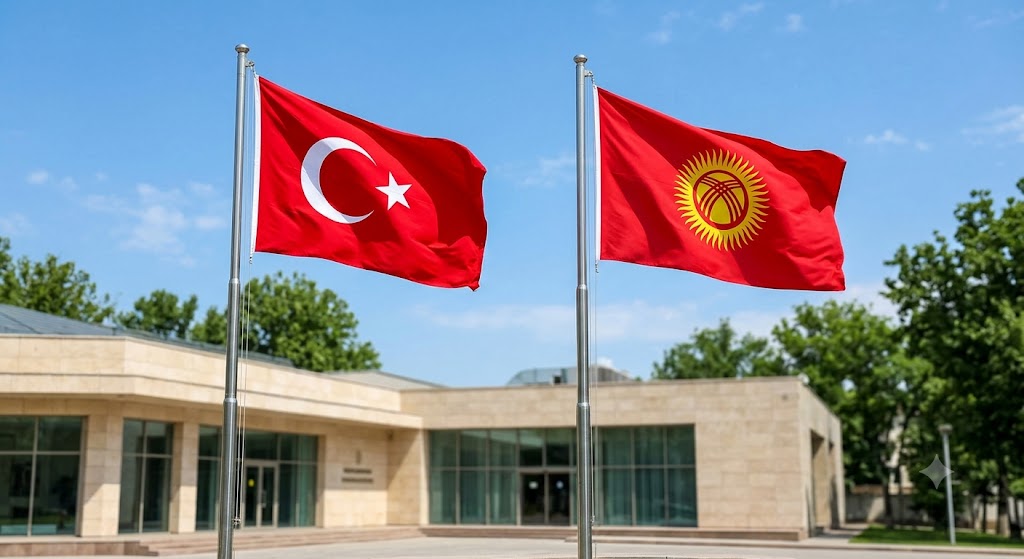
Türkiye and Kyrgyzstan have pledged to enhance their bilateral relations, focusing on expanding cooperation in areas such as trade, investment, transportation, and regional connectivity. This commitment emerged from the seventh meeting of the Türkiye-Kyrgyzstan Joint Strategic Planning Group in Ankara, where the foreign ministers of both countries co-chaired the discussions. The talks emphasized the importance of diplomatic solutions to international conflicts as both nations seek to bolster their partnership.
The meeting allowed officials to assess the current state of bilateral relations and agree on deepening collaboration in significant sectors like education, cultural exchanges, and economic development. They also laid the groundwork for upcoming reciprocal visits by Kyrgyz President Sadyr Japarov and Turkish President Recep Tayyip Erdoğan. Economic ties are a central focus, with both governments promising support for new investment initiatives and creating favorable business conditions. Additionally, they aim to enhance travel, employment, and educational opportunities to fortify people-to-people connections.
A major topic of discussion was regional connectivity, with Kyrgyzstan underscoring the strategic importance of the Middle Corridor as a transport route. The country is eager to integrate the forthcoming China–Kyrgyzstan–Uzbekistan railway into this corridor, aiming to enhance access to European and Middle Eastern markets via Türkiye. This development reflects the nations’ shared interest in fostering economic and logistical links across the region.
Security matters, both regional and global, were also on the agenda, with both countries reiterating their commitment to resolving conflicts through dialogue, diplomacy, and adherence to international law. Kyrgyzstan expressed gratitude towards Türkiye for its regional mediation efforts and support in securing a non-permanent seat on the United Nations Security Council for the 2027–2028 term. By securing this position, Kyrgyzstan intends to champion the dialogue among nations and advocate for the concerns of landlocked developing countries, mountainous regions, and small island states on the global stage.