
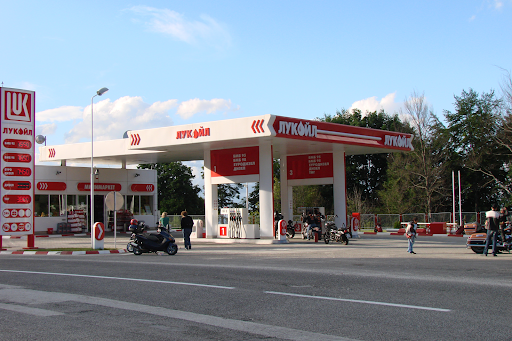
A sophisticated nighttime raid has resulted in significant damage to Russian energy assets as Ukraine strikes Russian oil drilling rigs in the Caspian Sea. The V. Filanovsky, Yuri Korchagin, and Valery Grayfe platforms, operated by Lukoil, were struck by Ukrainian forces, according to the General Staff. This operation is a calculated attempt to disrupt Moscow’s war economy by hitting the production facilities that generate the revenue used to fund the invasion. The ability to strike targets in the Caspian Sea demonstrates the growing reach and sophistication of Ukrainian long-range capabilities.
The platforms had previously been targeted in December, indicating that they are high-priority targets for Ukrainian planners. While the full extent of the damage is still being assessed, the report of direct hits suggests that the facilities may face operational delays or shutdowns. This would directly impact Russia’s oil export volumes. Lukoil’s lack of immediate comment suggests that the company is currently grappling with the aftermath of the strike. This economic warfare is designed to complement the military battles raging on the ground in eastern and southern Ukraine.
In the Luhansk region, Ukrainian forces successfully neutralized a Buk-M3 air defense system. This medium-range launcher is a critical component of Russia’s anti-access/area denial strategy. Its destruction opens up the skies for Ukrainian drones and aircraft, providing a tactical advantage in the sector. Furthermore, a strike on a warehouse in the Kherson region targeted the logistical support units that sustain Russian troops. By destroying ammunition and supplies, Ukraine aims to weaken the combat power of the Russian army through attrition.
The context of these strikes is a brutal energy war. Russia has been systematically targeting Ukraine’s power generation capabilities, causing blackouts and heating failures across the country. In response, Ukraine has expanded its target set to include Russian refineries, terminals, and now offshore platforms. This tit-for-tat targeting of energy infrastructure is intended to erode the enemy’s capacity to wage war, turning the conflict into a test of economic and industrial endurance as much as military might.
The conflict also reached the city of Voronezh in southwestern Russia, where a large drone attack took place. Governor Alexander Gusev stated that 17 drones were intercepted, but the attack still resulted in one death and four injuries. He described it as one of the most significant attacks on the city since the start of the war. These strikes on Russian soil are becoming more frequent, demonstrating Ukraine’s resolve to take the fight to the enemy and disrupt life in Russian rear areas.