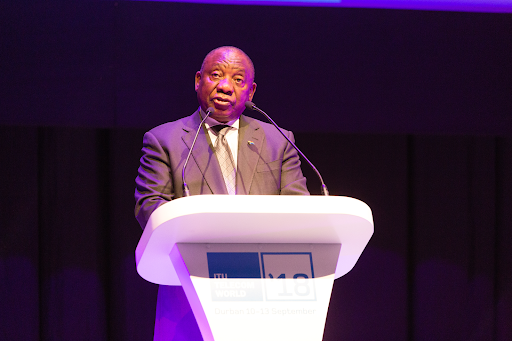
South Africa is witnessing a dramatic diplomatic reversal as President Cyril Ramaphosa confirmed the United States is now engaged in last-minute talks to re-evaluate its decision to boycott the upcoming G20 summit. This surprising pivot comes days after Washington’s public declaration to abstain from the Johannesburg meeting, setting the stage for a potential high-profile appearance by President Donald Trump—a prospect Ramaphosa is currently unable to confirm.
The entire controversy was ignited by President Trump’s earlier, explosive claims that South Africa was conducting a policy of discrimination against white Afrikaner farmers, fueled by accusations of widespread violence and land seizure policies targeting them. The South African government responded with immediate and forceful denials, categorizing the allegations as entirely inaccurate and politically calculated to derail the historic summit.
During a discussion with European leaders, Ramaphosa welcomed the US outreach as a significant “positive sign” of diplomatic de-escalation. He took a principled stand against the use of diplomatic boycotts, arguing that they are seldom effective tools for achieving meaningful international objectives. He championed a unified approach, reiterating that the core G20 agenda reflects South Africa’s commitment to prioritizing the growth and stability of developing economies globally.
The diplomatic pressure intensified when a US diplomatic note circulated, issuing a stark warning: without American participation, the G20 would be unable to publish its traditional unified final statement. South Africa vociferously condemned this move, calling it a clear attempt at coercion and a direct threat to the bedrock of multilateral decision-making. Officials were explicit that yielding to an absent nation’s demands would establish a globally harmful precedent.
Despite the recent friction, Ramaphosa stated that South Africa’s focus remains firmly on consensus-building among the member states. While confirming the future US G20 presidency, he stressed a fundamental point: the forum’s long-term legitimacy is dependent upon its commitment to inclusivity and shared governance, rather than submission to the unilateral political will of any single member.